Tofo — officially Praia do Tofo — sits on a sweeping bay roughly 30 minutes south of Inhambane town. What began as a quiet fishing village has become a global hub for megafauna diving, thanks to the warm, nutrient-rich waters of the Mozambique Channel. Research by organisations including the Marine Megafauna Foundation has confirmed Tofo as one of the most important whale shark habitats in the western Indian Ocean.
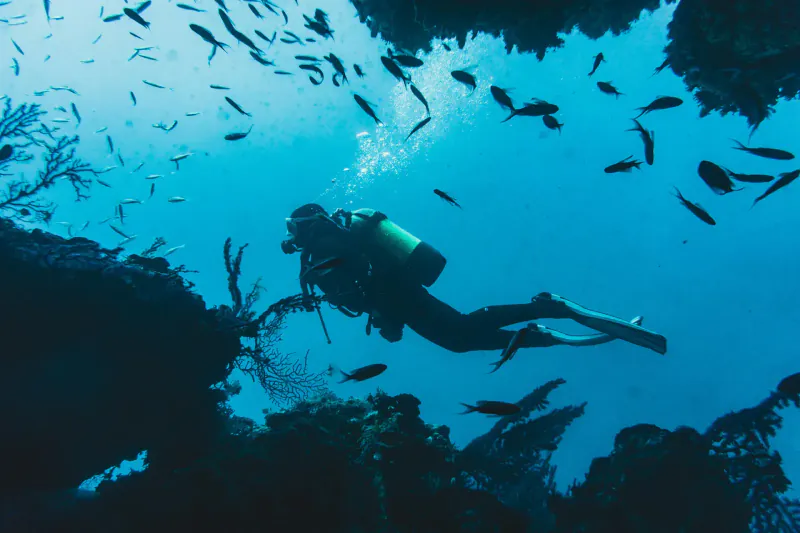
Unlike manicured resort reefs elsewhere in the world, Tofo is raw and real: beach launches, drift dives over sand channels, and encounters with ocean giants that leave even experienced divers speechless. If your dream is to share the water with whale sharks and manta rays, this is the place.
What Makes Tofo Special for Divers?
Tofo offers a density of pelagic encounters that has few equals in accessible East Africa. The headline species include:
- Whale sharks — the world's largest fish, present year-round with peak sightings October–March when plankton blooms draw juveniles to the coast (Mozambique Travel).
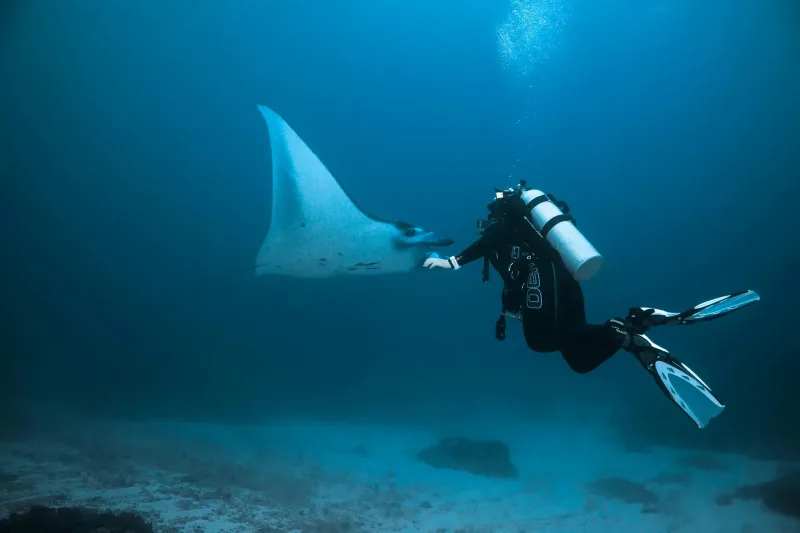
- Oceanic & reef manta rays — year-round residents that gather at cleaning stations, especially April–September (Tofo Scuba — Manta Reef).
- Humpback whales — migrate through offshore waters June–November; their song is often audible underwater.
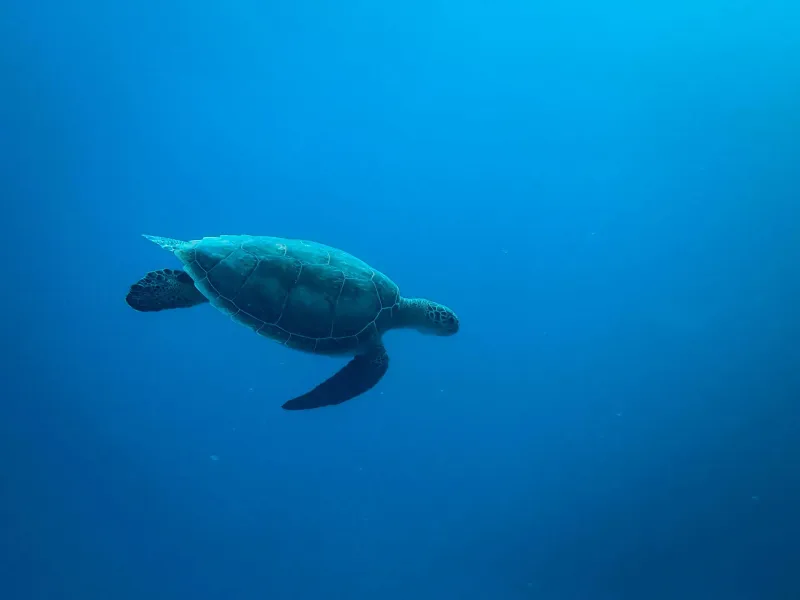
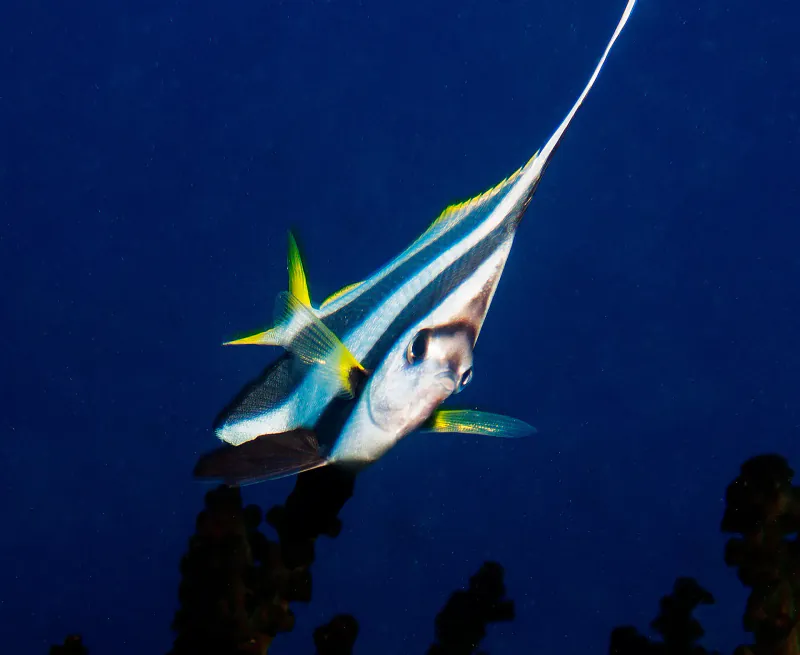
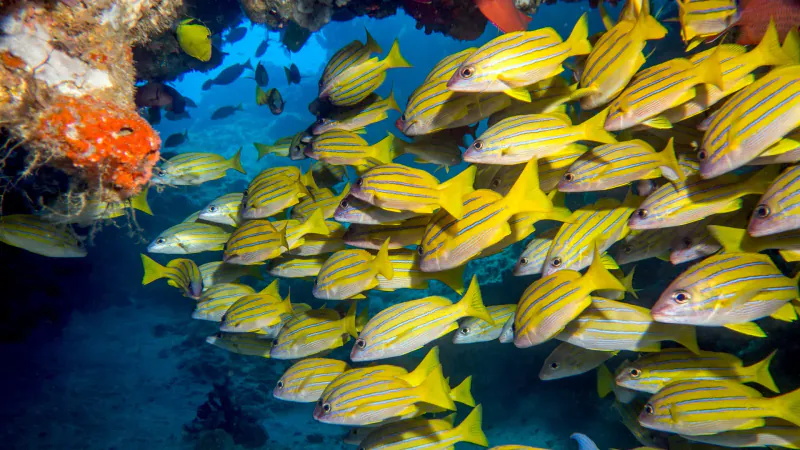
- Reef life — potato groupers, loggerhead turtles, devil rays, schooling snapper and vibrant nudibranchs across rocky pinnacles and coral bommies.
Best Time to Dive in Tofo
There is no bad time to dive Tofo — but your goals should dictate when you go:
May – September (dry season): Calmer seas, best visibility (20–30 m), cooler water (22–25°C) and peak manta ray aggregations at cleaning stations. Humpback whales are most active June–November. This is the preferred window for underwater photographers and Advanced divers targeting deep sites (Tripbase Tofo Diving Guide).
October – March (warm season): Peak whale shark season as plankton concentrations rise. Water warms to 26–30°C. Visibility can be lower (10–20 m) but pelagic action is at its most intense. December–February is cyclone season — monitor weather and build flexibility into your itinerary.
Top Dive Sites Around Tofo
Tofo's best sites lie offshore and require a 25–45 minute boat ride. According to Liquid Dive Adventures, the signature locations include:
- Manta Reef (21–30 m) — Tofo's showcase site with two famous cleaning stations, dramatic pinnacles and extraordinary fish biomass. Advanced Open Water required.
- Reggies / The Office / Amazon — A cluster of deep reefs south of Tofo known for manta encounters, potato groupers and occasional humpback whale pass-bys.
- Shallow inshore reefs — Suitable for Open Water divers and training dives, with good macro life and reef fish.
Certification, Equipment & Practical Tips
Most of Tofo's iconic sites sit at 21–30 metres, so Advanced Open Water certification is essential for Manta Reef and the deep drift dives. If you are Open Water only, local centres can run the Advanced course in 2–3 days. PADI Nitrox certification is also worthwhile — at 30 m, nitrox extends bottom time by roughly 50% compared to air.
Reputable operators include Tofo Scuba, Liquid Dive Adventures and Peri-Peri Divers — all offering courses, fun dives and ocean safaris. As TripSavvy notes, choose a licensed centre with well-maintained kit and a genuine commitment to marine conservation.
Pack a 3–5 mm wetsuit, reef-safe sunscreen, seasickness tablets for boat rides, and comprehensive dive insurance with emergency evacuation cover. Launches are from the beach — be prepared for a physically active entry.
How to Get to Tofo from Maputo
The quickest route is a domestic flight from Maputo to Inhambane (INH) with LAM Mozambique, then a 30-minute taxi to Tofo. Overland from Maputo takes 7–8 hours along the EN1. Most nationalities require a visa — check current requirements at evisa.gov.mz.
On Mabeco's 14-Day Dive Safari, we handle the entire journey: Maputo National Park safari on arrival, private 4x4 transfer north to Tofo, five guided dives at Tofo's best sites, then onward to the Bazaruto Archipelago for seven more dives — 12 in total, with all equipment included.
Combining Tofo Diving with a Maputo Safari
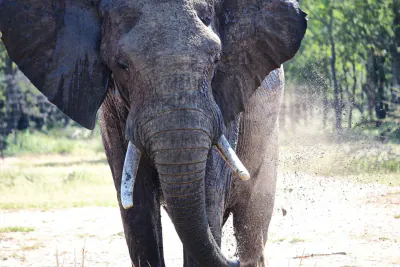
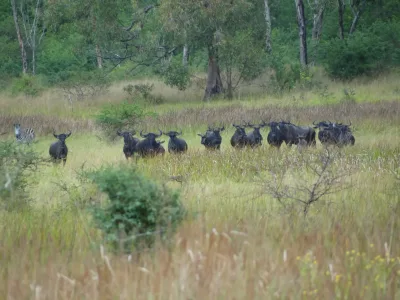
Many divers fly into Maputo and combine a few days of bush with their Tofo itinerary. Maputo National Park lies just two hours south of the capital — ideal for a morning elephant safari before heading up the coast. Read our Maputo safari season guide for the best months to pair diving with game viewing, or explore the 14-Day Dive Safari which weaves both into one expedition.
Dive Responsibly
Whale sharks and manta rays are threatened species. Maintain minimum distances, never touch marine life, and choose operators that follow code-of-conduct guidelines. The Marine Megafauna Foundation continues active research in Tofo — supporting their work helps protect the very animals you travel to see.
Ready to dive Mozambique? Explore the 14-Day Dive Safari or contact our team to build a custom Tofo diving itinerary from Maputo.