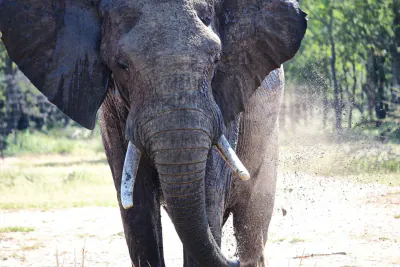

Maputo National Park — often called Maputo Special Reserve or the Elephant Park — sits just two hours south of the capital, yet feels worlds away from the city. Created in 2021 by merging the Maputo Special Reserve with the Ponta do Ouro Partial Marine Reserve, it is one of Mozambique's most remarkable conservation stories: coastal elephants, hippo-filled lagoons, dune forests and Indian Ocean beaches in a single protected area (Wikipedia).
Its mosaic of coastal forest, open grassland and freshwater lakes draws elephants, hippos, zebra, giraffe and an extraordinary bird list including the rare Pel's fishing owl. But the season you choose shapes everything — from elephant sightings at waterholes to whale migration offshore. Here is what our guides watch for on every departure.
About Maputo National Park
Originally proclaimed in 1932 to protect a remnant coastal elephant population, the reserve was devastated during Mozambique's civil war before a long-term rehabilitation partnership with the Peace Parks Foundation began reintroducing wildlife in 2010. Today the park forms part of the Lubombo Transfrontier Conservation Area, linked to South Africa's iSimangaliso World Heritage Site through the Futi Corridor — a protected riverine link restoring ancient elephant migration routes between Maputo and Tembe Elephant Park (Africa Geographic).
Key habitats include Lakes Xingute and Piti in the south, the Futi floodplains in the northwest, coastal dune forests and mangrove-lined lagoons. The park is managed by ANAC (Parque Nacional de Maputo) and is increasingly recognised as an uncrowded alternative to larger southern African reserves (Mozambique Travel).
Dry Season (May – October)
This is peak safari season. As water sources shrink, wildlife concentrates around lakes and pans in the Futi Corridor and northern sections of the park. Vegetation thins, visibility improves and morning game drives at first light consistently deliver elephant herds, buffalo and antelope at close range (SafariBookings).
- May–June: Post-rain greenery, pleasant temperatures (18–28°C) and strong bird activity as migrants depart.
- July–August: Coolest months; wildlife viewing peaks as animals rely on permanent water. Humpback whales arrive offshore.
- September–October: Warmest dry months with excellent game concentrations — many guides' favourite window for photography.
Sandy tracks remain passable for our Land Cruiser fleet. We depart Maputo hotels at 05:30 to reach the gates at first light, when animal movement is at its peak.
Wet Season (November – April)
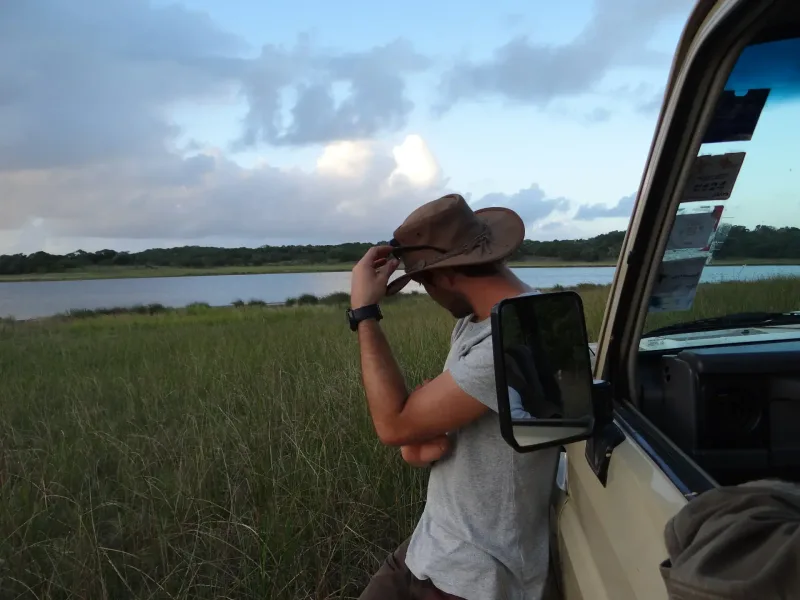
The reserve transforms into lush green bush. Birdwatching is exceptional — over 350 species have been recorded, with migrants arriving November–April. Newborn antelope appear on the plains and the landscape photographs beautifully. Some remote tracks can be challenging after heavy rain (January–February peak), but our guides adjust routes daily based on ranger reports.
From late October through March, endangered leatherback and loggerhead turtles nest on the park's beaches. Malaria prevention becomes more important during these months. If your priority is dense wildlife at waterholes, plan for the dry months. If you want green scenery, migratory birds and fewer visitors, the shoulder of the wet season offers a quieter, equally rewarding experience (Mozambique Expert).
Month-by-Month at a Glance
- January–February: Peak rains; lush scenery, turtle nesting continues, some tracks impassable.
- March–April: Rains taper; excellent birding and transitional wildlife movement.
- May: Dry season begins; comfortable temperatures and improving game viewing.
- June–August: Best all-round safari window; whales offshore, cool mornings.
- September–October: Hot and dry; wildlife tightly concentrated — top photography season.
- November–December: First rains; green return, turtle season starts, fewer safari crowds.
Wildlife Highlights by Season
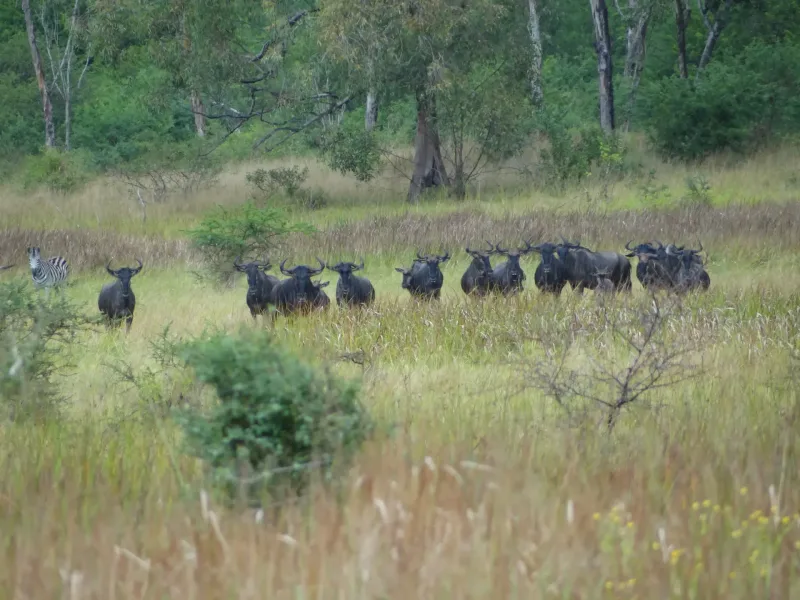
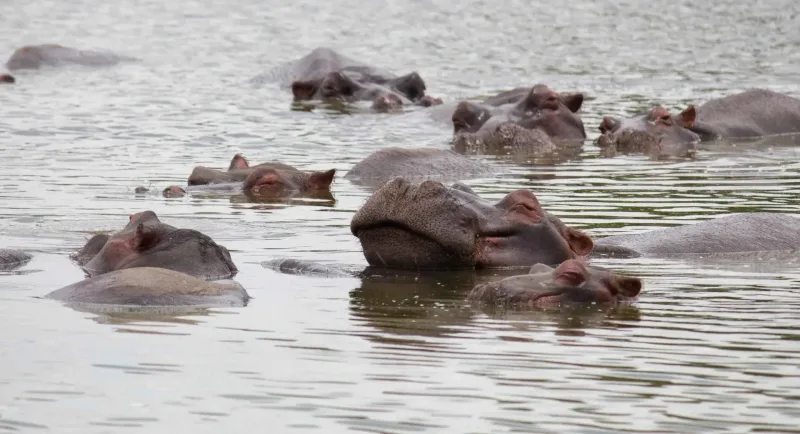
Elephants are the park's flagship species — often seen in herds of 20 or more around the Futi Corridor during dry months. Hippos inhabit Lakes Xingute and Piti year-round. Giraffe, zebra, wildebeest, kudu and impala are commonly spotted on open plains, while crocodiles bask on lagoon edges.
Offshore, humpback whales breach from June to November and dolphins are seen year-round. The park's rewilding programme has reintroduced multiple species since 2010, with ongoing translocations supported by Peace Parks Foundation and community partners along the Futi River.
Combining Bush and Coast
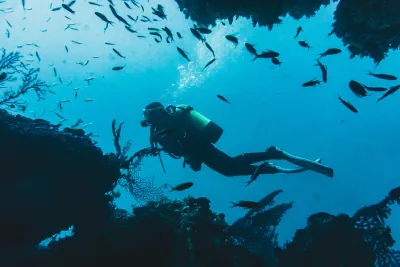
One of Maputo's unique advantages is proximity to both bush and Indian Ocean. From July to October, humpback whales migrate along the coast — making it the ideal window to pair a morning safari with an afternoon marine trip to Inhaca Island or Ponta do Ouro. For divers, our Tofo diving guide covers the best season for whale sharks and manta rays further up the coast.
International visitors can fly into Maputo International Airport and obtain an e-visa online via evisa.gov.mz before departure.
Planning Your Safari
A high-clearance 4x4 is essential on the park's sandy tracks — guided departures remove the stress of navigation and gate logistics. Pack neutral clothing, binoculars, sunscreen and a warm layer for chilly May–August mornings.
Ready to plan your expedition? Explore our Maputo National Park safari — 1, 2 and 3-day options from $240 — or get in touch to build a custom itinerary combining bush, beach and beyond.